

Our journey to reform and advocate for better public schools and child protection in Pakistan.
To give every child in Pakistan a chance to transform their lives through education.
To strive to transform the education system through public school reform to impact the masses.
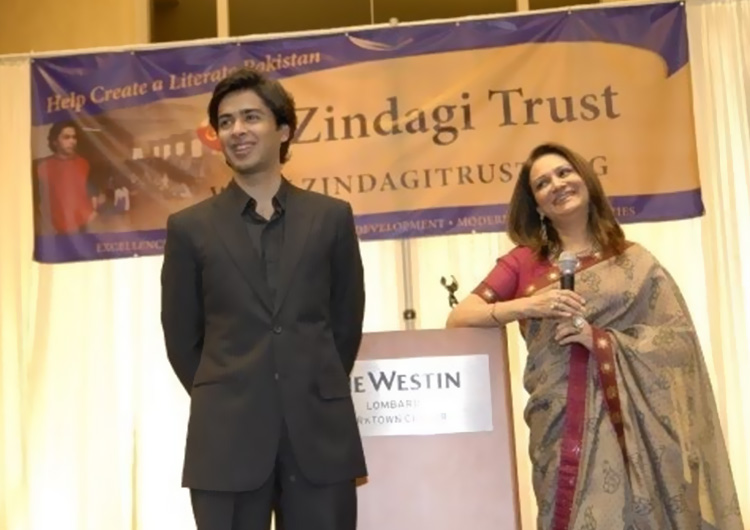
Our Founder believes that education is the key to breaking the cycle of poverty and inequality in Pakistan and that every child, regardless of their background, deserves a chance to reach their full potential.
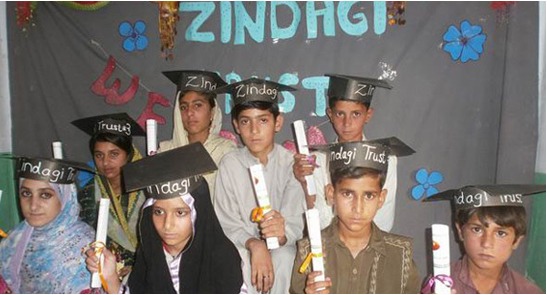
Paid to Learn Program provided a daily stipend to working children, addressing the root causes of child labour, and offering an alternative path to education and a brighter future. It transformed countless lives, combating poverty and exploitation.

By reforming existing school systems and investing in new infrastructure and resources, this initiative helped to create a more equitable and inclusive education system that would benefit all students, regardless of their background or socioeconomic status.

SMB Fatima Jinnah Government School to use textbooks other than Sindh Textbook Board Books as a pilot program so that the usefulness or otherwise of using better books may be established for further policy consideration.
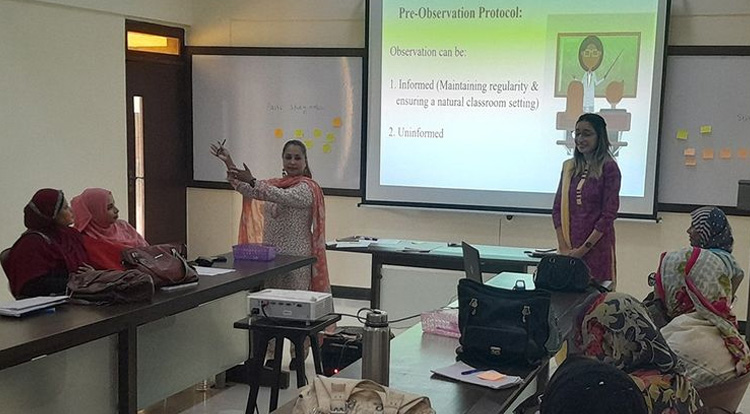
The inclusion of additional government teachers in the reformed school was to promote collaboration with the public education system and expand access to high-quality education. This approach enabled us to enroll more government teachers and build their capacity, fostering a stronger partnership between the organization and the public education system.

Advocated for the merging of government schools that served the same local child population
and shared the same building or compound. This policy aimed to reorganize and strengthen the
schools to function more effectively as a single entity, improving education quality and
efficiency.
Click to read the issued notification
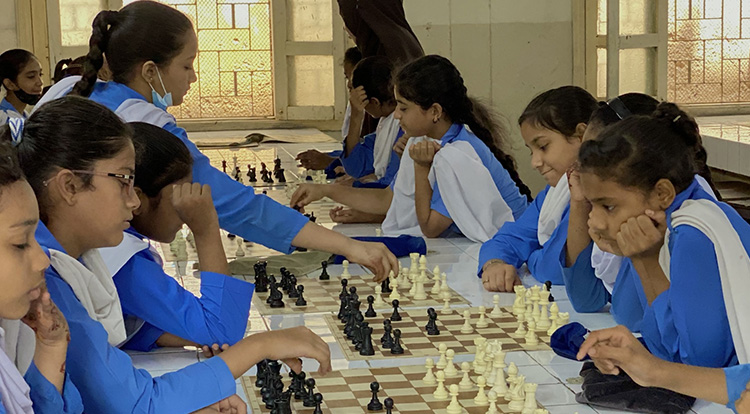
Extracurricular subjects like Art, Chess, Football, Rowing, and Taekwondo in public schools offer students an opportunity to develop important non-academic skills, such as creativity, critical thinking, teamwork, discipline, and physical fitness, which are essential for their holistic development.
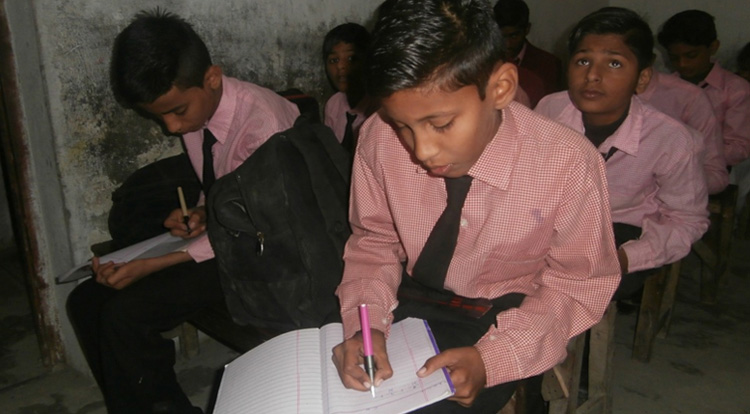
Enabled underprivileged alumni to continue their education beyond primary school, provided them with a pathway to a better future and break the cycle of poverty.

Provided students with a stimulating and enjoyable summer learning experience, fostering their creativity, critical thinking, teamwork, and self-esteem, while also helping to bridge the achievement gap and prevent learning loss.
Shehzad Roy's TV show "Chal Parha" on student abuse in 2013 spurred a national conversation,
leading to the passing of a bill banning corporal punishment by provincial assemblies despite
Senate lapse. Click to read,
"The Prohibition of Corporal Punishment Bill (2014)."

The adoption of a government school, such as Khatoon-e-Pakistan Government Girls School, was crucial for improving education quality and accessibility in the past. It provided much-needed resources, infrastructure upgrades, and teacher training, creating a more conducive environment for students to learn and succeed, ultimately positively impacting the community as a whole.
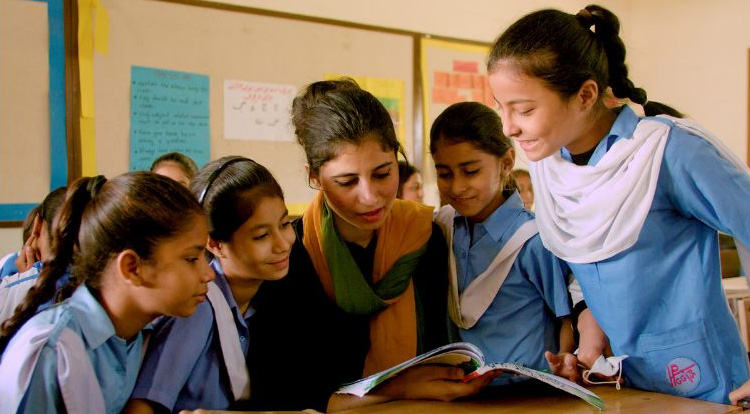
Teacher Professional Development, introduced under the School Reform Program, was important for building the capacity and skills of existing government teachers. This enabled them to create a positive impact not only in their own schools but also in other schools, leading to a ripple effect of improved teaching quality and better student outcomes.
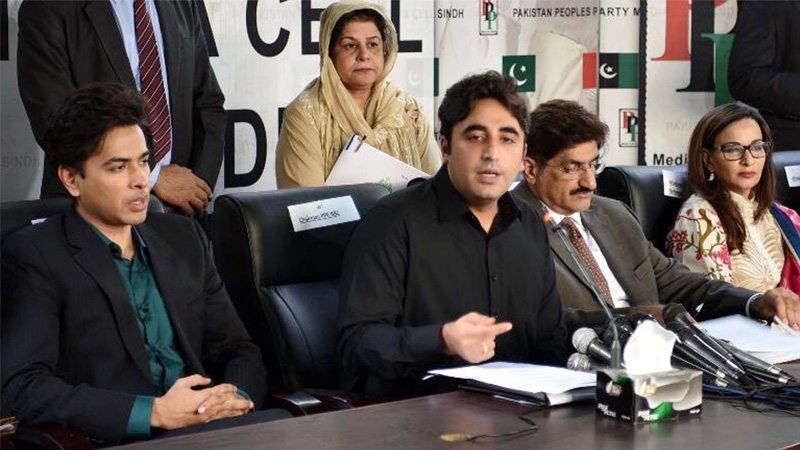
LSBE empowers children to protect themselves from abuse, disease, and rights violations. Aahung's advocacy led the governments of Sindh and Balochistan to introduce LSBE into their textbooks. In Sindh, one chapter is already integrated into the Class 7 Social Studies textbook, and teachers have been trained.
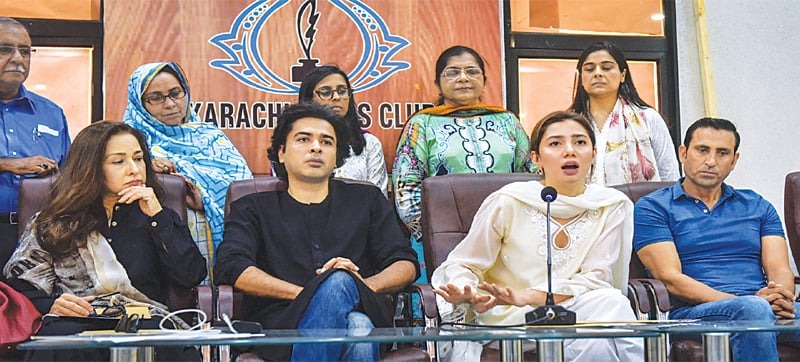
Zindagi Trust initiative led Pakistani celebrities, including Mahira Khan, Zeba Bakhtiar and
Younus Khan, to demand reforms to combat child sexual abuse in the country. The group called
for greater social awareness, Life-Skills based education, and the resumption of the Child
Protection Unit. They also urged special training for police to handle rape and child sexual
abuse cases. The late Farishta's family alleges that police officers initially refused to file
a missing person report, leading to an FIR against officials for criminal negligence.
Click here to read more

Sindh government launched a public-private initiative to improve the quality of education in
government schools. The initiative includes revamping a government college in Hussainabad to
offer a four-year teacher training program, in collaboration with a Finnish university.
Durbeen and Zindagi Trust, two non-profit organizations, will lead the project. The college
will be upgraded with modern facilities and qualified faculty. The Karachi University will
award degrees to Durbeen graduates who will work at the Zindagi Trust's adopted government
schools. The initiative aims to deliver high-quality education to government schools in Sindh.
Click here to read more
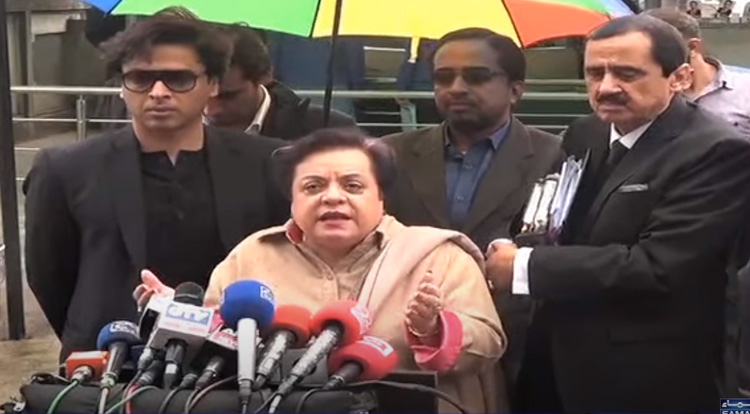
Zindagi Trust filed a petition in the Islamabad High Court which resulted in a court order
suspending Section 89 of the PPC and effectively banned corporal punishment in Pakistan. This
was a major step towards protecting children's rights and promoting a safer, kinder, and more
peaceful society.
Click here read more

The National Assembly of Pakistan passed a bill that effectively banned all forms of corporal
punishment towards children, including in educational institutions and alternative care
settings. The bill was set to penalize teachers for any assault or harm inflicted on children,
cancelling out previous provisions that allowed physical punishment "in good faith" and "for
the benefit" of the child. Child rights activists had been campaigning for the ban for years,
and the law was being hailed as a step towards a safer, kinder, and more peaceful Pakistan.
The bill was sent to the Senate for further consideration.
Click here read more
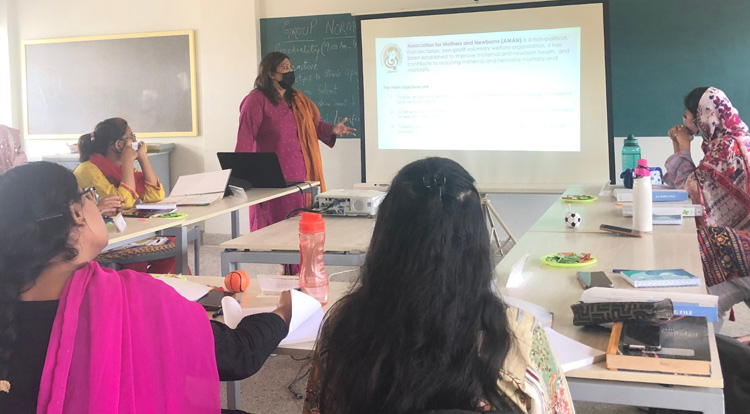
The Sindh Government in Pakistan has approved a new teacher performance evaluation format to
replace the generic Annual Confidential Report. The previous evaluation system had little
connection to a teacher's role or pedagogical skills. The new Performance Evaluation Report
(PER) includes sections on Classroom Management, Planning and Instruction, and Classroom
Assessments, enabling teachers to be assessed on student-centered activities, maintaining
regular feedback, and encouraging a positive classroom environment. Zindagi Trust will
initiate the implementation and training of teachers for the new PER in Sindh and other
provinces.
Click here read more
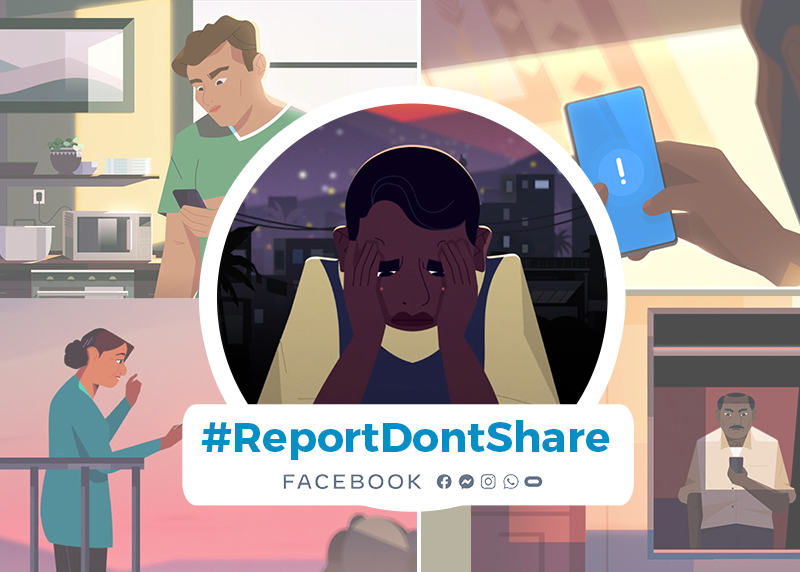
Zindagi Trust and Facebook launched a campaign to protect children in digital spaces, starting
with a video encouraging people to report child sexual abuse material (CSAM) instead of
sharing it. Pakistan was among the top three countries where such material was shared. While
social media platforms removed this content, survivors needed protection and justice. The
campaign aimed to discuss the weaknesses of current reporting mechanisms and offer policy
recommendations. It included a series of videos and policy dialogues with stakeholders.
Click here to view the campaign video
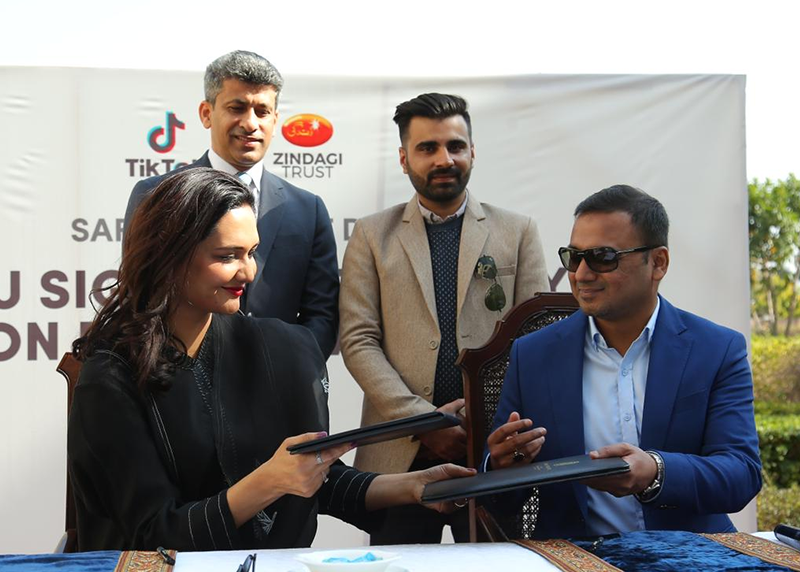
Zindagi Trust partnered with TikTok to promote digital safety in Pakistan. Zindagi Trust
conducted workshops for Khatoon-e-Pakistan and SMB Fatima Jinnah schools in Karachi, covering
topics such as identifying fake news and reporting harmful content. Zindagi Trust created
informative videos on digital safety and empowered children with content creation skills for
social media platforms. The partnership aimed to cultivate a secure online community for
Pakistani Children.
Click here to read more
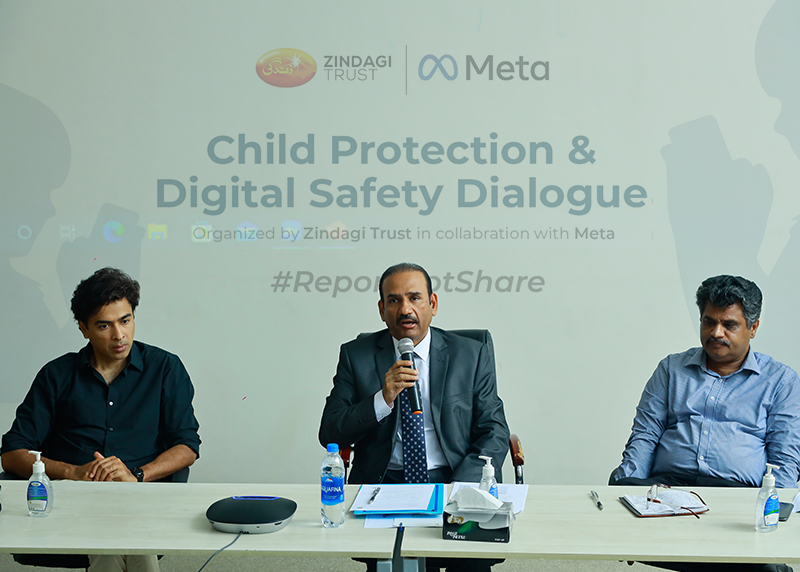
Meta partnered with Zindagi Trust to launch a campaign aimed at preventing the spread of
harmful content related to child safety in Pakistan. The program included policy roundtables
with civil society organizations and policy stakeholders, raised awareness of the harms of
sharing such content, and used informative videos to educate social media users about
reporting inappropriate content. The partnership expanded its impact nationwide. Meta had a
zero-tolerance policy towards child exploitation and abuse and collaborated with local
authorities and stakeholders to keep its family of apps free of such content.
Click here to read more
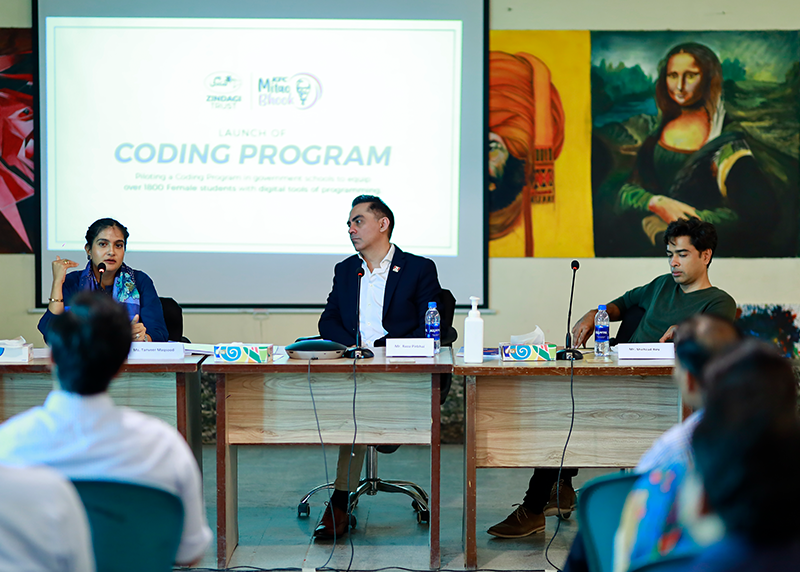
Zindagi Trust collaborated with KFC Mitao Bhook to launch a three-year Coding Program in two
government schools in Pakistan for grades 3 to 8. Over 1800 female students will be benefited
from the program. Learning how to code equips students with digital programming tools and
modern technologies that are essential for success in the digital world, while also providing
them with the opportunity to develop critical thinking, problem-solving, and collaboration
skills.
Click here to read more

TikTok, Zindagi Trust and Pakistan's Ministry of Information Technology and Telecommunications
have renewed their partnership to raise awareness about digital safety. As part of Safer
Internet Month, the campaign will impact over 50,000 beneficiaries across 100 public schools
in Pakistan. The partnership will see the development of a digital safety toolkit and
workshops will be conducted at different schools across Pakistan to educate students,
teachers, and parents about online safety. Additionally, parents will be taught to use
TikTok's Family Pairing features to ensure children are safe on social media.
Click here to read more

Partnered with Bank Alfalah to equip girls with digital art skills and financial literacy,
opening new doors to creativity and independence.
Click here to read more
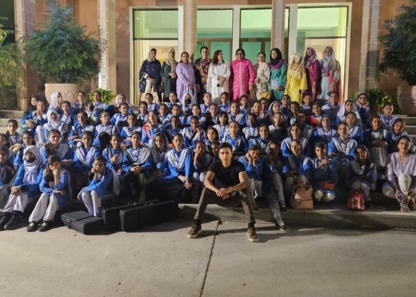
After years of advocacy by Shehzad Roy, the Supreme Court has directed federal and provincial
authorities to ensure life skills-based education is implemented in schools across Pakistan.
Click here to read more